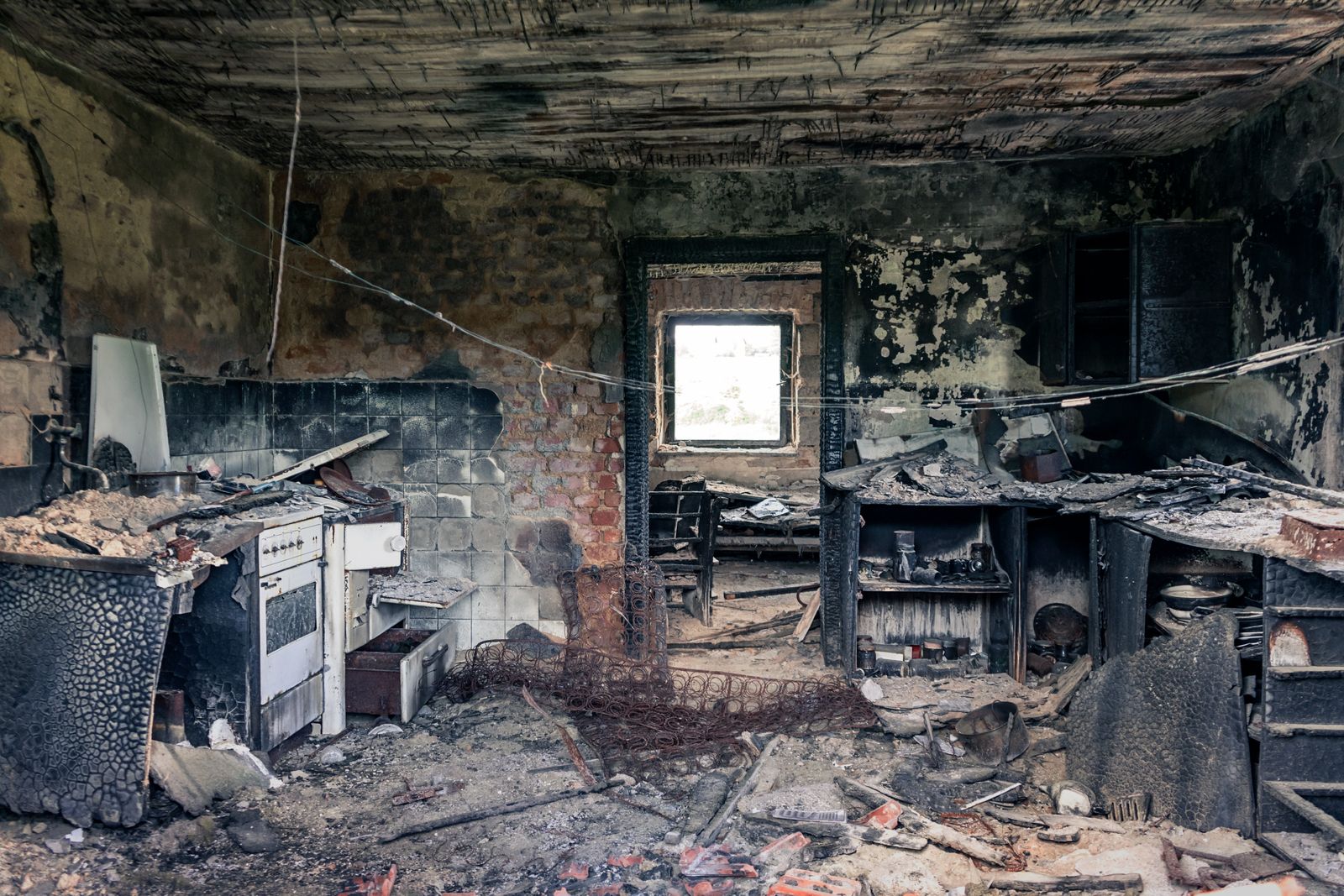
Most people going through water damage restoration have never experienced it before. They don't know what to expect, what's normal, or when something seems wrong. This is the timeline we'd want every Fairfax County homeowner to have before the crew arrives — what happens and why, from first call to finished reconstruction.
Day 0: The Call and Initial Assessment
When you call (571) 708-6083, you'll describe what happened and we'll give you an ETA. On arrival, the first 20–30 minutes are assessment: we identify the water source (if not already known), shut it off if not done, categorize the water type (clean supply line vs. gray vs. sewage), and do a preliminary moisture map using a thermal imaging camera and pin/pinless moisture meters. This assessment defines the scope of the job and is the foundation of the insurance claim documentation.
Day 0–1: Extraction
Emergency water extraction starts immediately. Truck-mounted extraction handles bulk water quickly — several hundred gallons per hour for significant events. Portable extractors go into spaces the truck can't reach: basements, closets, under cabinets. Specialty tools handle carpet and pad extraction. This phase can take 2–6 hours for a significant residential event.
Immediately after extraction, we begin removing materials that need to come out: saturated carpet pad (which cannot be dried effectively in place), wet drywall sections, saturated insulation. This demolition is not destructive restoration theater — it's necessary to access the structure for drying and to prevent mold from developing in materials that will not dry adequately otherwise.
Days 1–3: Structural Drying
Structural drying is the phase most homeowners don't fully understand — it's the period when commercial dehumidifiers and air movers run continuously in the affected spaces, pulling moisture out of framing, subfloor, and wall cavities. This is not optional and it cannot be rushed. The IICRC S500 standard requires moisture readings in structural materials to reach the reference readings (taken from unaffected areas of the same structure) before drying is considered complete.
Commercial dehumidifiers pull dramatically more moisture per day than consumer units — a commercial unit that serves a typical residential water damage event may remove 100–200 pints of water per day from the air and structure. Consumer units typically do 30–50 pints per day maximum. This is why "just running the fan and the dehumidifier from Home Depot" doesn't produce professional results.
During this phase, we visit the property daily to take moisture readings, adjust equipment placement, and generate the daily moisture log that becomes part of your insurance documentation.
Day 3–5: Drying Verification and Equipment Removal
When moisture readings in structural materials reach the IICRC reference standard across all monitored areas, drying is complete and equipment is removed. This is typically day 3–5 for a standard residential event, though significant saturation events or properties with unusual materials (concrete masonry units, very dense insulation) may take longer.
We do not pull equipment on a schedule — we pull it when the readings say it's done. Early removal of drying equipment is one of the most common mistakes we see in insurance-scope disputes: an insurer caps the drying at 3 days, the contractor pulls equipment to stay in budget, the property isn't actually dry, and mold develops in the residual moisture. We document every day of drying with readings to defend the timeline if it becomes an issue.
Day 3–14: Mold Assessment (If Needed)
If the event had a timeline that put mold conditions in play (more than 24–48 hours of saturation before mitigation), we conduct a mold assessment after drying is complete. This may include air sampling, surface sampling, and visual inspection of opened wall cavities. If active mold is present, mold remediation begins before reconstruction. Reconstruction on a mold-active structure is not an option — you'd be enclosing the problem.
Day 7–30: Reconstruction
Once the structure is dry and mold-free, reconstruction begins. Depending on scope: drywall hanging and finishing, insulation replacement, flooring installation, painting, trim. For larger events — finished basements, multi-room events — reconstruction may take 2–4 weeks. We coordinate the reconstruction schedule with your insurance adjuster's timeline so there's no gap between mitigation close-out and reconstruction authorization.
Throughout: Insurance Coordination
We communicate directly with your insurer throughout the process — providing the moisture log data, scope of work, material removal documentation, and drying verification that claims processors need. You shouldn't need to translate between us and your adjuster. Our guide to insurance claims in Northern Virginia covers the full documentation picture.
If you're in a water event now or preparing for one, call us at (571) 708-6083. We serve Fairfax, Vienna, McLean, Reston, and all of Fairfax County 24/7.
Services Referenced in This Article
Emergency Water Extraction | Structural Drying Dehumidification | Mold Remediation Services | Moisture Mapping
Areas Mentioned