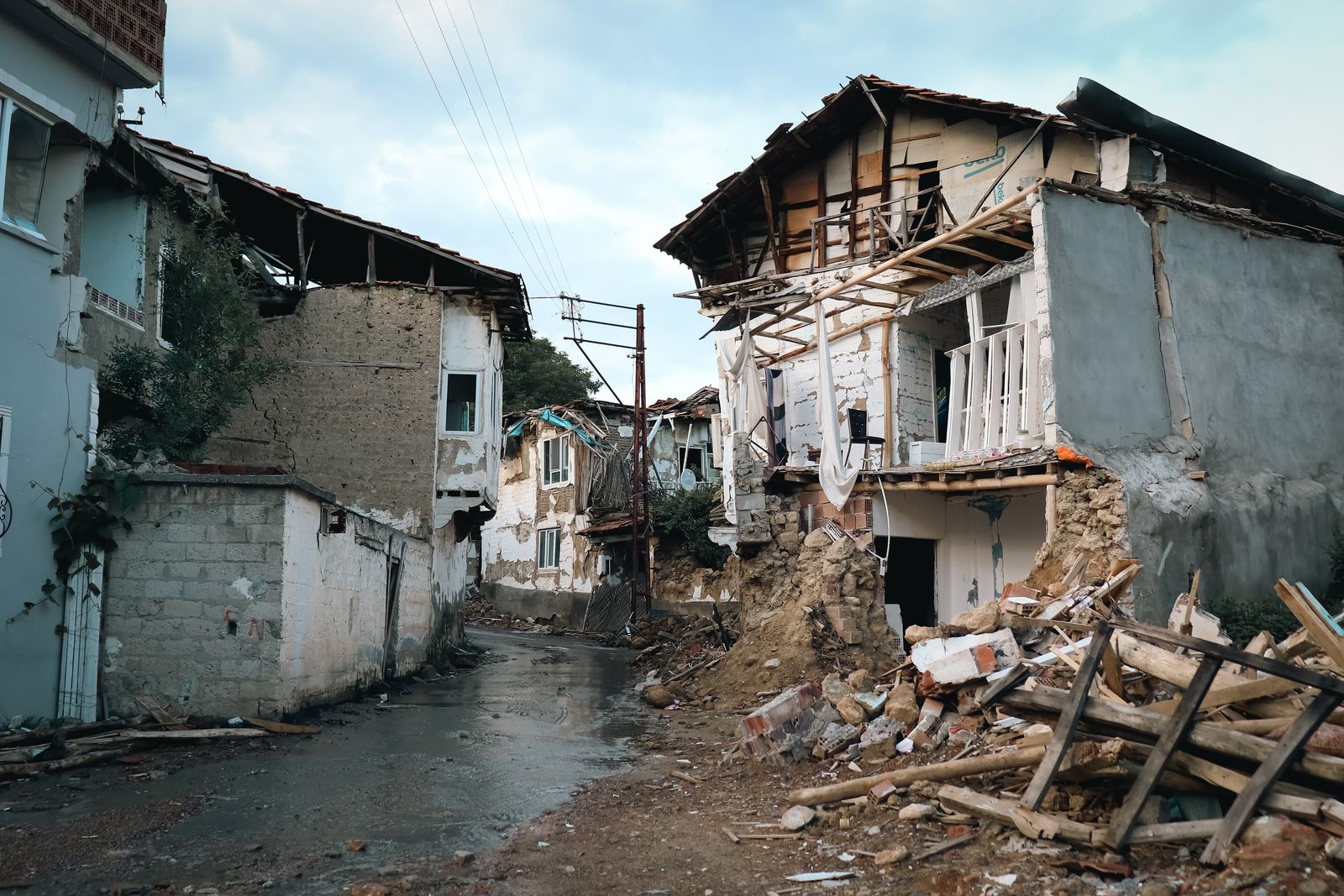
Smoke Damage Sanitation in Fairfax, Virginia
Smoke residue bonds to every surface it contacts and off-gases for months if not properly removed. We clean soot from all surface types using the appropriate method — dry sponge, wet chemical, or abrasive — and verify completion before reconstruction begins.
Smoke sanitation after a fire is more technically demanding than it appears. Different soot types require different cleaning approaches — and applying the wrong method first can make thorough cleaning impossible. Wet smoke (from slow-burning, low-oxygen fires like mattress or electrical fires) produces a thick, oily residue that smears if wet-cleaned before dry-sponge cleaning removes the bulk. Dry smoke (from fast-burning, high-oxygen fires like paper or wood) leaves a powdery residue that can be HEPA vacuumed and wet-cleaned. Protein smoke (from cooking fires) creates nearly invisible but pungent residue that requires specific enzymatic treatment to neutralize.
In Fairfax, kitchen fires producing protein smoke and electrical fires producing wet smoke are the most common residential scenarios. Each requires a different cleaning sequence, and the same room may have multiple soot types if the fire progressed through different materials. Our technicians assess the soot type before any cleaning begins and work in the correct sequence: dry methods before wet, gross contamination before fine cleaning, surfaces before contents.
Smoke sanitation also addresses HVAC distribution of smoke residue. In any home where the HVAC system ran during the fire event, smoke residue is distributed through supply ductwork and deposited on every register surface and inside every supply duct. Skipping the HVAC component leaves odor sources in place even after visible surfaces are cleaned.
🔧 Technician Insight: Every professional restoration technician carries dry cleaning sponges for a reason — they're the mandatory first step on most soot surfaces. Using a wet rag first on smoky soot smears the residue into the substrate and makes thorough cleaning significantly harder or impossible. We've been called to properties where well-meaning family members cleaned with wet rags before the professional crew arrived, and the outcome in every case was expanded scope and higher reconstruction costs because surfaces that could have been cleaned had to be replaced instead.
📋 Real Scenario: A property manager in Reston called after a small electrical fire in a first-floor storage room produced significant smoke damage throughout the unit. The HVAC had been running and smoke had been distributed through the supply ductwork. We cleaned all affected wall and ceiling surfaces in the correct sequence, HEPA-vacuumed and cleaned all supply registers, fogged the duct system, and completed two passes of hydroxyl treatment with the unit unoccupied. The unit passed air quality standards for return to habitation on day 7.
What Smoke Damage Sanitation Typically Costs in Fairfax
Typical range: $1,500 – $5,000 for a mid-scope service in the Fairfax County area. Final cost depends on the specific conditions of your property — we give you a written scope and estimate after the on-site walk-through, with no obligation to proceed.
What affects pricing on a smoke damage sanitation job:
- Square footage and number of rooms affected
- Type of materials affected (hardwood vs. carpet; drywall vs. plaster)
- Whether the cause has been corrected (an active leak extends the scope)
- Insurance involvement and documentation requirements
About insurance: Most events in this range qualify for insurance coverage when the cause is sudden and accidental. We work directly with your carrier and provide documentation that meets adjuster requirements.
Want a real number for your situation? Call (571) 708-6083 for a free on-site assessment.
Why Smoke Damage Sanitation Has to Start Within Hours, Not Days
Safety Assessment
Structural integrity, electrical, and air quality checks before entry.
Board Up & Tarp
Emergency weatherproofing prevents secondary water and pest damage.
Debris Removal
Charred materials removed, contents inventoried and triaged for restoration vs. disposal.
Soot & Smoke Cleaning
Every surface cleaned with the appropriate medium — wet, dry, or chemical sponge — based on soot type.
Deodorization
Thermal fogging, ozone, and hydroxyl treatments eliminate odors at the molecular level.
Reconstruction
Full rebuild with licensed tradespeople — we manage the whole project.
Companion Services Often Required
Smoke Odor Removal
Odor treatment following surface sanitation — the molecular removal step.
Learn More →Deodorization Services
Comprehensive deodorization for all odor types.
Learn More →Soot Damage Removal
Heavy soot removal from structural surfaces after significant fire events.
Learn More →Air Duct Cleaning
HVAC cleaning when smoke was distributed through the duct system.
Learn More →Fairfax Property Owners on Their Smoke Damage Sanitation Experience
We earn our reputation one job at a time. Here's what some of our customers have said.
"Puffback from the furnace dropped oily soot on every surface in the house. They knew exactly what it was, brought the right equipment, and had the whole place clean and odor-free in two weeks."
Gregory T.Annandale, VA Verified Review"Garage fire spread smoke through the HVAC system into the house. They cleaned the duct work, the equipment, and every interior surface. Insurance paid every dollar of the documented scope."
Hannah L.Centreville, VA Verified Review"After the kitchen fire we thought our cabinets were ruined. They cleaned the solid-wood doors and frames, replaced only the particleboard boxes that took heat, and matched the finish exactly."
Theodore W.Vienna, VA Verified ReviewSmoke Damage Sanitation — Questions We Get Most Often
Other Fire-and-Smoke Services Often Needed Together
AC Fire Restoration
Professional ac fire restoration in Fairfax and surrounding VA communities.
View Service →Charred Material Removal
Professional charred material removal in Fairfax and surrounding VA communities.
View Service →Commercial Fire Smoke Cleanup
Professional commercial fire smoke cleanup in Fairfax and surrounding VA communities.
View Service →Demolition of Fire Damaged Areas
Professional demolition of fire damaged areas in Fairfax and surrounding VA communities.
View Service →Dishwasher Overflow Cleanup
Professional dishwasher overflow cleanup in Fairfax and surrounding VA communities.
View Service →Emergency Board Up Post Fire
Professional emergency board up post fire in Fairfax and surrounding VA communities.
View Service →Communities Across Our Fairfax County Service Range
Annandale · Burke · Centreville · Chantilly · Fair Oaks · Fairfax · View All Service Areas
Smoke Damage Sanitation Service Footprint Across Fairfax, VA
Smoke Damage Sanitation in Fairfax? Call Before the Next Hour Passes
Our Fairfax team is on-call 24/7. Call now for a free, no-obligation quote.
Call (571) 708-6083